
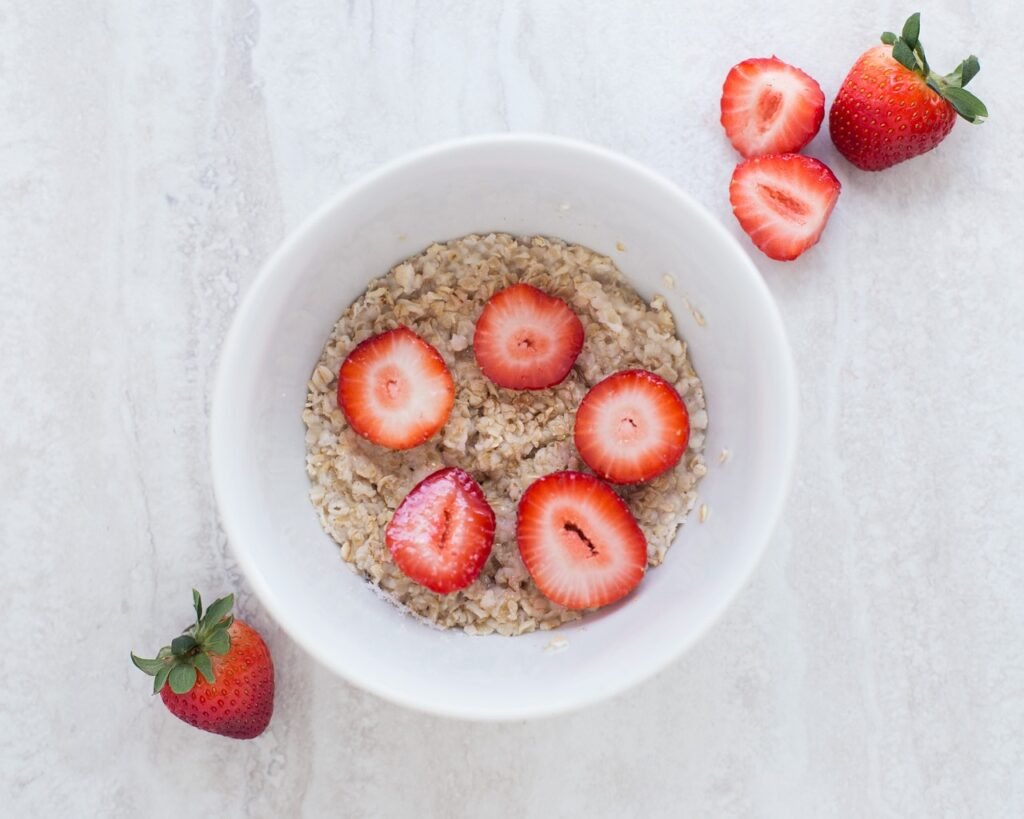
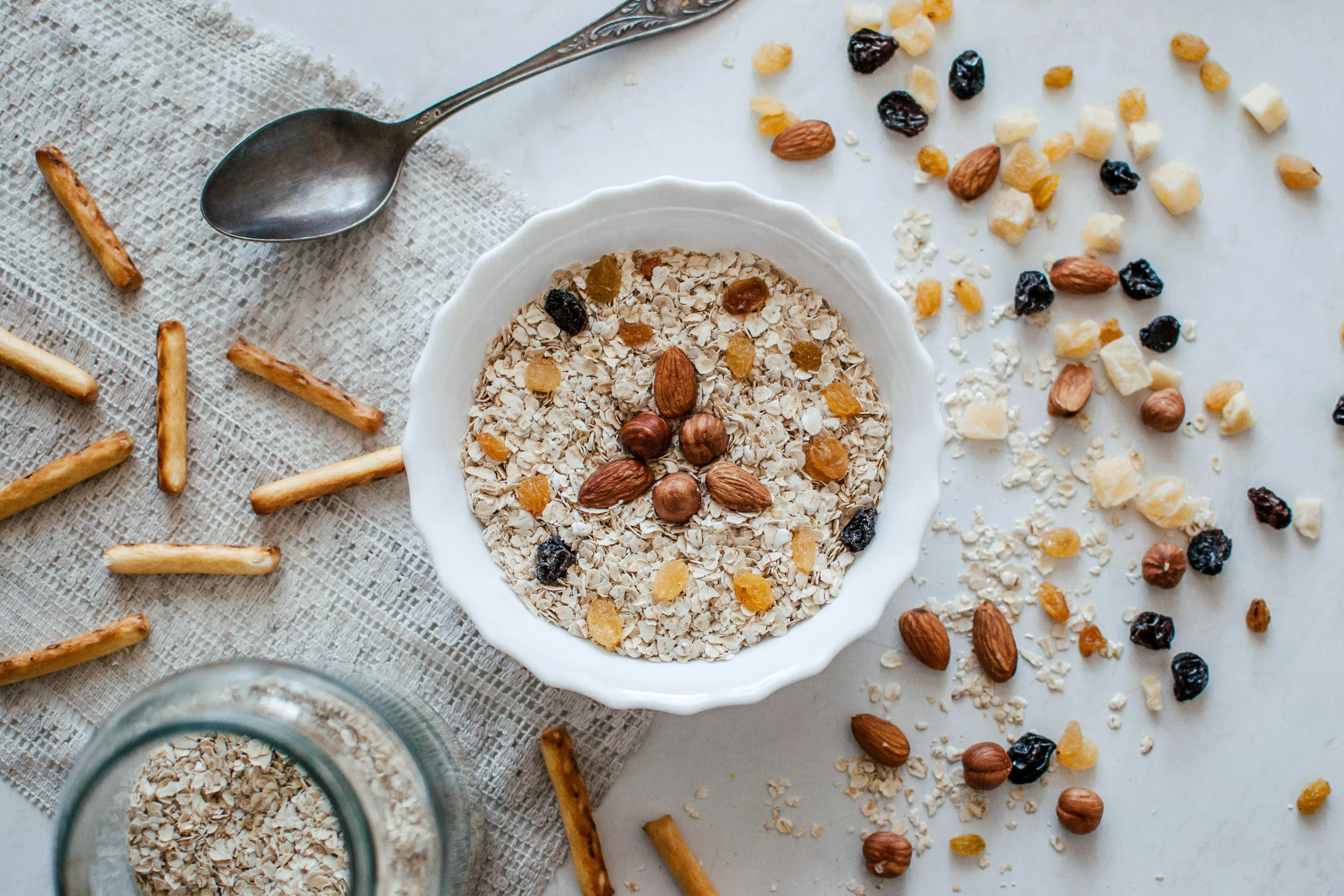
Oatmeal is more than just a warm and satisfying breakfast.
It contains critical nutrients, antioxidants, and fiber, providing several health benefits that considerably improve your well-being.
In this blog, we’ll look at the top 11 benefits of oatmeal and why including this superfood in your diet is a wise decision.
1. Incredibly nutritious
Oatmeal is extremely healthy, offering various vitamins, minerals, and antioxidants.
It contains vital minerals such as manganese, phosphorus, magnesium, copper, iron, zinc, folate, and B vitamins.
Oats are also high in protein and healthy fats, making them an ideal basis for a well-balanced diet.
2. High in antioxidants, including avenanthramides
Oatmeal is high in antioxidants, particularly avenanthramides, which are specific to oats.
These potent substances assist in reducing inflammation and boost the body’s immunological response.
Avenanthramides are also thought to reduce blood pressure by increasing nitric oxide synthesis, which increases blood flow.
3. Contains a powerful soluble fiber known as beta-glucan
One of oatmeal’s distinguishing properties is its high concentration of beta-glucan, a potent soluble fiber.
Beta-glucan forms a gel-like substance in the gut, slowing digestion, increasing satiety, and stabilizing blood sugar levels.
Oatmeal is also beneficial to heart health because it helps lower cholesterol levels.
4. Can reduce cholesterol levels
Oatmeal’s beta-glucan component is notably effective in lowering cholesterol.
Beta-glucan assists in the removal of cholesterol in the digestive tract, decreasing total cholesterol levels.
Regular oatmeal consumption can considerably reduce LDL (bad) cholesterol levels, lowering the risk of heart disease.
5. Can Improve Blood Sugar Control
Oatmeal is a great option for anyone looking to improve blood sugar control.
Oatmeal includes soluble fiber, which slows sugar absorption in the body and avoids blood sugar spikes.
This makes oatmeal an ideal food for diabetes management and maintaining stable energy levels throughout the day.
6. Very filling and May help you lose weight
Oatmeal is very filling, which might help with weight management.
Oatmeal’s fiber, protein, and healthy fat content keeps you fuller for longer, lowering your chances of overeating.
This makes oatmeal an excellent choice for anybody wanting to reduce or maintain a healthy weight.
7. Finely Ground Oats May Help With Skin Care
Oatmeal is helpful for more than just your nutrition. It also helps your skin.
Finely ground oats, or colloidal oatmeal, have been used for ages to soothe and protect the skin.
Oatmeal baths and skincare products are popular treatments for eczema and dry skin because they can help ease itching and irritation.
8. May reduce the risk of childhood asthma
Introducing oats early in life may reduce the likelihood of developing childhood asthma.
According to studies, introducing solid foods such as oats throughout infancy, particularly before the age of six months, can lower the incidence of asthma.
Oats’ anti-inflammatory characteristics may contribute to their beneficial impact.
9. May help relieve constipation
Because of its high fiber content, oatmeal is an effective natural cure for constipation.
Oatmeal contains soluble fiber, which bulks up the stool and makes it easier to pass.
This can help encourage regular bowel motions and relieve constipation, so improving overall digestive health.
10. Improves immune response to disease
Oatmeal can also improve the immune system’s reaction to sickness.
Oat beta-glucan has been found to increase immunological function by increasing the activity of white blood cells.
Oatmeal’s immune-boosting properties make it an important diet for overall health and infection resistance.
11. Lowers the risk of colon cancer
Regular use of oats may reduce the incidence of colon cancer.
Oatmeal contains fiber, which promotes a healthy digestive system by speeding up food transit through the gut and preventing the buildup of toxic elements.
Furthermore, the antioxidants in oats help prevent cells from harm, which could lead to cancer growth.
Why oatmeal is especially valuable for women after 35
Many of the health changes women experience after 35 — fluctuating energy, changes in cholesterol, shifts in blood sugar regulation and digestive health — are exactly the areas where oatmeal has the strongest evidence behind it. This is not a coincidence.
Oestrogen levels begin to shift from the mid-thirties onwards, which affects how your body manages inflammation, blood sugar and cardiovascular health. Beta-glucan, the soluble fibre unique to oats, directly supports all three of these areas. It slows glucose absorption, reduces LDL cholesterol and feeds the gut bacteria that regulate inflammation throughout the body.
It is also worth noting that oatmeal is genuinely filling in a way that supports rather than fights against your metabolism. Unlike high-sugar breakfast options that spike and crash blood sugar, oatmeal keeps energy stable for three to four hours — a measurable difference for women managing energy across a busy day.
None of this means you need to eat oatmeal every day. But it does mean that if you are looking for one breakfast change that is evidence-backed, affordable and genuinely practical, oatmeal is one of the most defensible choices you can make.
The benefits in more depth
Beta-glucan and blood sugar: what the research actually shows
Of all the compounds in oatmeal, beta-glucan has the most consistent research support. A 2021 review in Nutrients found that regular oat beta-glucan consumption significantly reduced post-meal blood sugar spikes compared to control diets. This matters practically: lower blood sugar spikes mean less insulin release, more stable energy and reduced cravings in the hours after a meal.
The effect is dose-dependent. Studies typically use 3–4 grams of beta-glucan per serving to see significant results, which is roughly the amount in a standard 40g serving of rolled oats. Instant oats have less beta-glucan because the processing breaks down the fibre structure — more on that below.
Heart health and cholesterol: specific numbers
The link between oatmeal and heart health is one of the most replicated findings in nutrition research. A meta-analysis published in The American Journal of Clinical Nutrition found that consuming oat beta-glucan reduced LDL (bad) cholesterol by an average of 0.2 mmol/L in adults who consumed it consistently for six weeks. That may sound modest, but it is comparable to the effect of mild dietary changes recommended by cardiologists.
For women over 40, cardiovascular risk starts to increase as oestrogen levels decline. Building habits that support heart health in your forties pays compound dividends in your sixties.
Gut health and the microbiome connection
Oatmeal's fibre does more than slow digestion. Beta-glucan acts as a prebiotic — it feeds the beneficial bacteria in your gut that produce short-chain fatty acids. These fatty acids reduce gut inflammation, improve bowel regularity and have been linked to improved mood via the gut-brain axis.
This is particularly relevant for women, whose gut microbiome is influenced by oestrogen levels. Supporting the microbiome through dietary fibre is one of the few evidence-backed, low-cost interventions for gut health that does not require supplements.
How to eat oatmeal to get the most benefit
Not all oatmeal is equal, and how you prepare it changes what you get from it.
Steel-cut, rolled or instant: which is best?
This is one of the most common questions about oatmeal, and the answer is more practical than people expect:
- Steel-cut oats are the least processed. They have the lowest glycaemic index and the highest beta-glucan content. They take 20–30 minutes to cook but can be batch-cooked and refrigerated for five days. Best for blood sugar control and gut health.
- Rolled oats are the best everyday option. They cook in 5 minutes, retain most of the beta-glucan and are nutritionally close to steel-cut. This is what most research uses. Best all-round choice.
- Instant oats are the most processed. The fibre structure is partially broken down, glycaemic index is higher and beta-glucan content is lower. Fine occasionally but not the best choice for daily use if blood sugar or cholesterol is a concern.
What to add (and what to avoid)
The oatmeal itself is healthy. What you add to it determines whether it stays that way:
- Good additions: Berries (antioxidants, low sugar), chia seeds or flaxseed (extra fibre and omega-3), a small handful of walnuts (heart-healthy fats), cinnamon (supports blood sugar regulation).
- Worth limiting: Flavoured instant packets (often contain as much sugar as a biscuit), honey or maple syrup in large amounts, dried fruit in large quantities (concentrated sugar).
- Good protein additions: Greek yoghurt stirred in after cooking, or a boiled egg on the side. This further slows glucose absorption and keeps you full longer.
Overnight oats: a practical option for busy mornings
If mornings are rushed, overnight oats are worth trying. Combine 40g rolled oats with 150ml milk or a plant-based alternative, leave in the fridge overnight and eat cold. The long soaking time actually increases resistant starch content, which feeds gut bacteria even more effectively than cooked oats.
Frequently asked questions
Conclusion
Oatmeal is a nutritious and adaptable food that provides numerous health advantages.
Oatmeal is a superfood that can help with heart health and weight management, as well as improve skin care and lower the risk of chronic diseases.
Whether you eat it simply or with your favorite toppings, oatmeal is a delightful and effective method to improve your health.
Written by the Easy Healthy Time Editorial Team
Health & Wellness Writers — Easy Healthy Time
At EHT, we research and write evidence-based health content for women 35+. Our articles are grounded in peer-reviewed research and reviewed for accuracy before publication. We believe in honest recommendations, transparent sourcing and health advice that fits real life. Learn more about us →
🍎 Also worth reading:
The Health Benefits of Matcha Tea — another everyday food with surprising evidence-based benefits.