
You eat a reasonable amount of protein. Maybe you even use a protein supplement. And yet something isn’t adding up: your strength is declining, recovery takes longer than it used to, and your body composition isn’t reflecting the effort you’re putting in.
Most people’s first response to this is to eat more protein. It’s a reasonable instinct. But it often doesn’t work — and the reason why is something most nutrition guidance skips entirely.
The issue isn’t how much protein you eat. It’s how much of it your body actually converts into tissue.
Key takeaways
- How much protein you eat matters less than how much of it your body actually converts into tissue rather than burning for energy
- The root cause is amino acid balance: if even one of the 8 essential amino acids is under-supplied, the rest can’t be used for protein synthesis — the excess just gets burned as fuel
- Two age-related changes make this worse after 50: anabolic resistance and declining digestive function
- A doctor-formulated blend of all 8 essential amino acids in a specific ratio is reported by its maker to reach 99% utilization in their own testing — the full explanation, including how that figure was measured, is in the write-up linked throughout this article — a few minutes to read, no video required
Curious whether this explains what you’re experiencing? The doctor’s full write-up walks through the 99% utilization test in detail — about a 3-minute read.
What Protein Utilization Actually Means
When you eat a protein source — chicken, fish, a protein shake — your digestive system breaks it down into individual amino acids, which then enter your bloodstream. Your body uses some of those amino acids to build and repair tissue: muscle fibres, bone collagen, skin, enzymes, hormones, antibodies.
But here’s the part that doesn’t get explained: not all of those amino acids end up as tissue. A significant portion of them get converted into glucose and used (or stored) as energy instead.
Scientists can measure this. Amino acids contain nitrogen. When amino acids are incorporated into body proteins, that nitrogen stays in the body as part of the protein structure. When amino acids are converted to glucose instead, the nitrogen is released and excreted in urine. Measuring that ratio gives you a figure generally referred to as protein utilization — the percentage of a protein source the body actually turns into tissue rather than burning as fuel.
How Different Protein Sources Compare
Exactly how efficient any given protein source is depends on how “utilization” is measured, which reference standard is used, and who’s doing the testing — which is why you’ll see different numbers in different places.
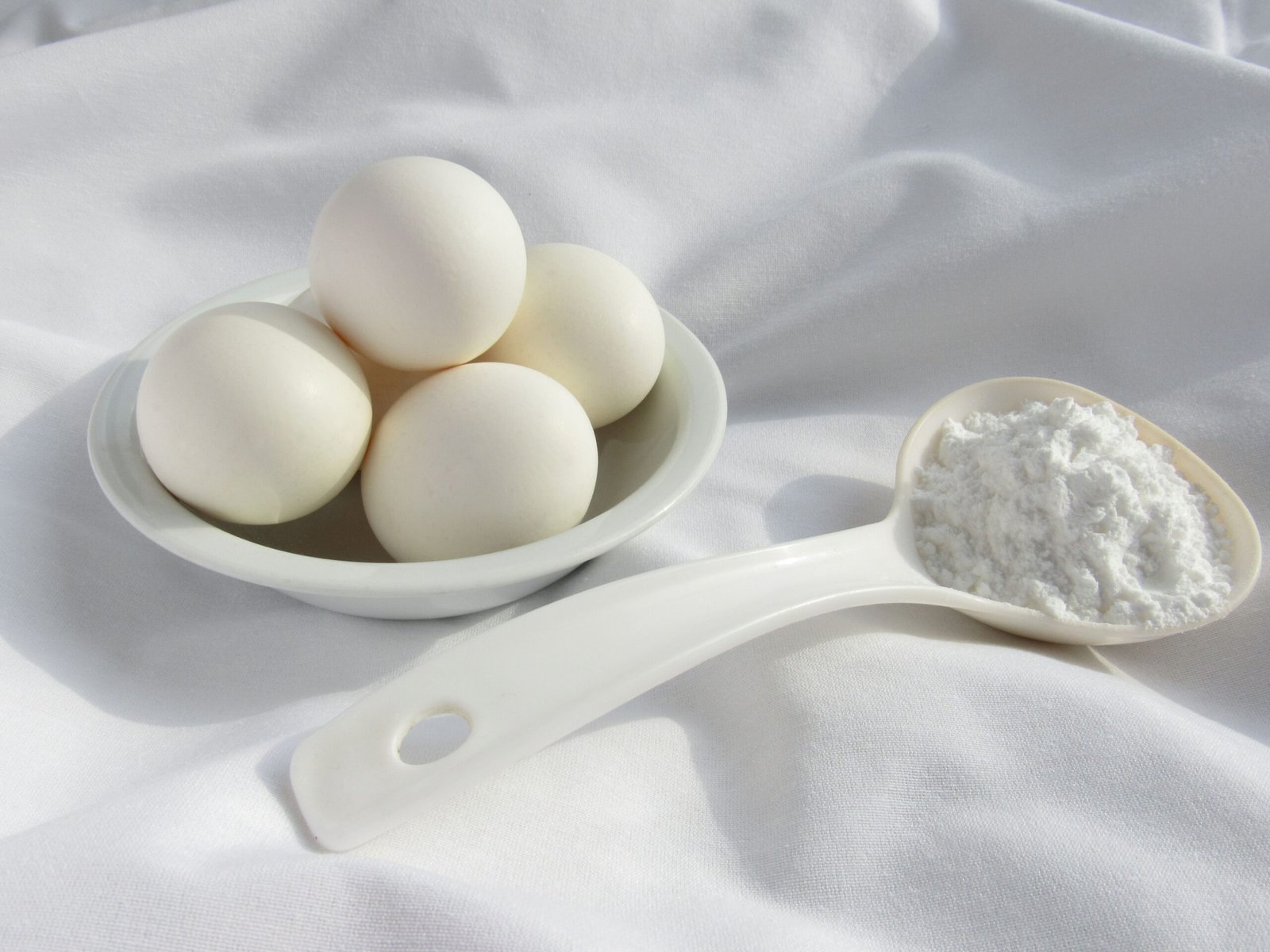
In the clinical write-up linked throughout this article, the physician behind Advanced Amino Formula walks through the figures his own testing produced: breast milk around 49%, whole eggs around 47% (drop to egg white alone and it falls to around 17%, since much of the relevant amino acid content sits in the yolk), meat/poultry/fish around 32%, most protein powders — whey, soy, and egg-derived alike — around 17%, and spirulina as low as 0–6%.
Worth knowing: We haven’t found an independent, peer-reviewed source that reproduces those exact percentages — protein-quality figures vary meaningfully across the nutrition literature depending on the measurement method and reference standard used, and we’d encourage you to read the full write-up yourself and judge the explanation rather than take our summary of it as the final word.
What doesn’t depend on any single source, though, is the underlying mechanism behind why a protein source’s amino acid profile determines how much of it actually gets used — and that’s worth understanding on its own merits, regardless of which exact numbers you find most convincing.
Why Balance Matters More Than Quantity
Your body needs eight essential amino acids to build protein — amino acids it cannot produce on its own and must get from food. But the critical detail is that it needs them in a specific ratio. If even one of those amino acids is undersupplied relative to the others, the body cannot use the surplus of the remaining seven to build tissue. Those excess amino acids get shunted to the glucose pathway instead.
This is sometimes called the limiting amino acid principle. Think of it like a manufacturing line: if you have every component for 100 units but only enough of one critical part for 20, you can only complete 20 units. The other 80 sets of components go to waste.
Most protein sources — including whole foods and most supplements — don’t deliver all eight essential amino acids in the exact ratio human protein synthesis calls for. The excess gets disposed of as energy. This is a big part of why eating more protein has diminishing returns, and why the composition of what you eat matters at least as much as the gram count on the label.
The formula built around this principle — and the doctor who developed it — lays out the full research in a free write-up on the next page →

Why This Becomes More Significant After 50
Two age-related changes compound this problem considerably.
The first is anabolic resistance — the well-documented decline in the muscle protein synthesis response to a given dose of protein or amino acids as we age. A 60-year-old needs more available amino acids to produce the same tissue-building response that a 30-year-old gets from a smaller amount. If utilization is already limited by amino acid balance, anabolic resistance means the effective dose reaching your muscles is even lower than the raw numbers suggest.
The second is declining digestive function. Getting the benefit of any whole-food protein requires your digestive system to break it down into amino acids first. As we age, stomach acid production and enzyme output both tend to decrease. This means that even a protein source with a reasonable utilization rate in a young, healthy digestive system may yield less in practice as the decades pass.
The practical implication: two people eating identical diets can end up with very different amino acid availability at the cellular level, depending on their age, digestive health, and the amino acid profile of what they’re eating.
🌿 If you are over 50 and still losing muscle despite eating well:
A leading anti-aging physician explains, in his own words, exactly how anabolic resistance and amino acid utilization interact after 50 — and what changed for one of his patients within weeks. It’s a short, free write-up on the next page — about 5 minutes.
Free-Form Essential Amino Acids: Bypassing the Problem
Free-form essential amino acids are amino acids that already exist in their individual, pre-digested state — not bound together in a protein chain that needs to be broken apart first. When you take them, they enter the bloodstream directly, bypassing the digestive process entirely.
This matters for two reasons. First, availability is faster and more predictable — the amino acids reach your bloodstream within a short window, without depending on how well your digestive system happens to be functioning that day. Second, a formula containing all eight essential amino acids in a carefully calibrated ratio can, in principle, avoid the limiting-amino-acid problem almost entirely, because no single amino acid is left undersupplied relative to the others.
Research on essential amino acid supplementation in older adults supports the broader principle here — that amino acid availability, not just total protein intake, drives the muscle protein synthesis response. Studies on EAA timing in aging populations have found meaningful improvements in the anabolic response when essential amino acids are provided in complete form, particularly in people whose normal protein synthesis response is blunted.
For those specifically interested in overnight recovery, this is also relevant to the pre-sleep nutrition window — we cover that connection in detail in our article on amino acids and sleep recovery.
Who This Matters Most For
- Adults 50 and over. The combination of anabolic resistance and declining digestive function means the gap between “eating enough protein” and “having enough amino acids available for tissue maintenance” is wider than it was at 30 or 40.
- Anyone using protein supplements as a primary strategy. If a protein powder’s real-world utilization is as low as some of the figures discussed in the full write-up suggest, most of a typical scoop may not be reaching your muscles as amino acids. Understanding this changes how you think about supplementation.
- People with digestive issues or reduced stomach acid. Even a high-quality food protein source requires a functional digestive process to reach the bloodstream. Free-form EAAs remove that dependency.
- Vegans and vegetarians. Plant protein sources are more likely to be limited in one or more essential amino acids relative to what human protein synthesis needs. A complete EAA supplement can fill the gaps that whole-food plant protein often leaves.
A Practical Framework
None of this makes regular protein intake irrelevant. Whole foods carry nutrients beyond amino acids, and total protein intake still matters. The point is that optimising the quality of your amino acid delivery — the balance, the form, and the timing — is the lever most people haven’t touched yet.
If you’ve been eating well, exercising consistently, and still feel like something isn’t translating into the strength, recovery, and body composition you’d expect, protein utilization is the variable most worth understanding next.
🌿 Want to read the full clinical explanation?
A leading anti-aging physician lays out this research in his own words — including how his team measured the 99% utilization figure, how it applies to real patients, plus full pricing and the 90-day guarantee. It’s the clearest breakdown of this topic we’ve come across, and it’s free to read.
Advanced Amino Formula is the supplement developed from this research — all eight essential amino acids in one formula, no digestion required, vegan and non-GMO, backed by a 90-day money-back guarantee.
Frequently Asked Questions
The Bottom Line
Much of the protein we eat — from food or supplements — doesn’t end up as muscle or tissue. A meaningful share gets converted to glucose instead, largely because the amino acid ratios in most protein sources don’t match what human protein synthesis requires. This limiting amino acid principle is a big part of why eating more protein has diminishing returns, and why the gap between “eating enough protein” and “having enough amino acids available” tends to widen after 50.
If you want to see the clinical detail behind this — including how a formula built around complete, balanced amino acid delivery performs in practice, and how the 99% utilization figure was measured — the clearest explanation we’ve found is from the physician who developed the research, in a free write-up. Read the full explanation here.
Still not sure if this explains your situation? The full write-up covers real patient examples — free to read, no opt-in required.
Not ready to read the full explanation yet?
Get muscle & strength tips weekly instead
Join people building strength and energy after 50. Practical guidance, honest reviews and real strategies — free, every week.
No spam. Unsubscribe anytime.
💤 Related reading:
Can Amino Acids Help Muscle Recovery While You Sleep? — the overnight recovery angle and why timing matters
How to Prevent Muscle Loss After 40 — the complete framework, including training, protein, and sleep
How Much Protein Do You Actually Need After 40? — evidence-based targets by activity level and age
Written by the Easy Healthy Time Editorial Team
Health & Wellness Writers — Easy Healthy Time
Evidence-based health content for better sleep and wellbeing. Learn more about us →
Affiliate disclosure: This article contains affiliate links. We may earn a commission on purchases made through our links, at no extra cost to you. Full disclosure.