
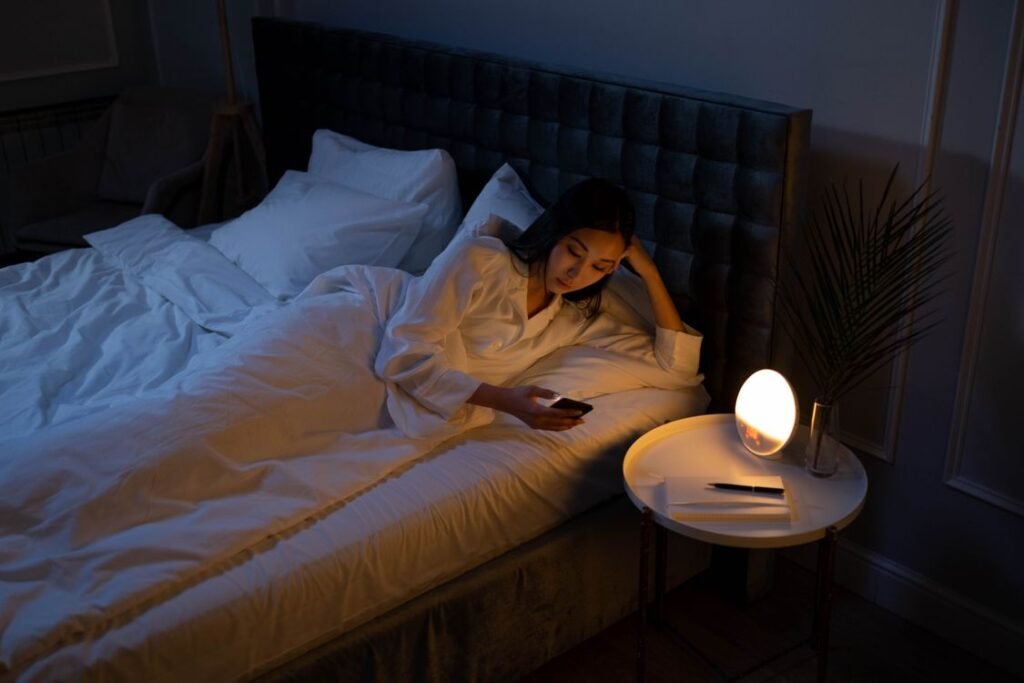
Who this is for: This guide is for women 35+ who are curious about using technology to understand and improve their sleep — whether you use a fitness tracker, a smartwatch or nothing at all. We cover what AI sleep tools actually do, what the research says, and how to decide if any of them are worth trying.
Part of our Sleep Guide series
For the complete picture on sleep improvement, read our main guide: How to Sleep Better — The Complete Evidence-Based Guide →
Poor sleep affects millions of people worldwide, leading to health problems, reduced productivity, and lower quality life. Traditional sleep solutions often use a one-size-fits-all approach that fails to address individual needs and sleep patterns.
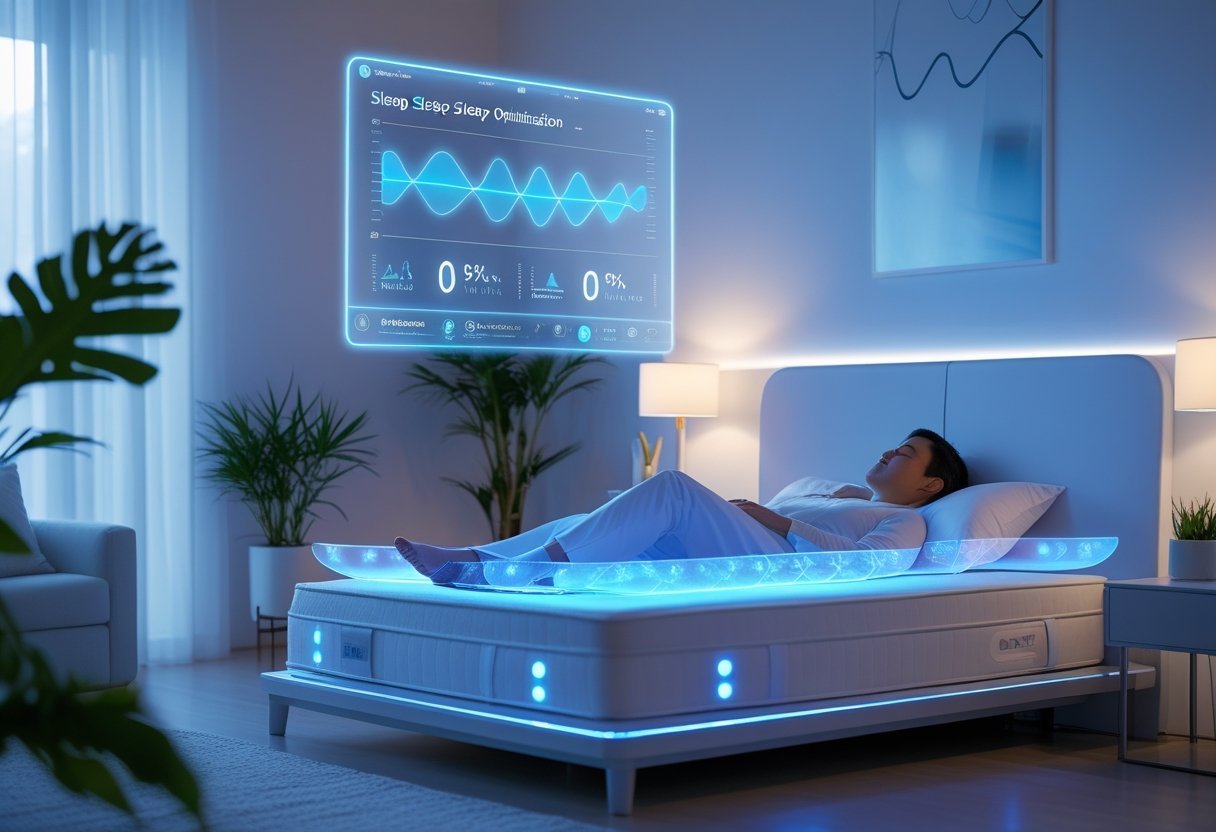
AI-powered sleep optimization uses artificial intelligence to analyze personal sleep data, monitor bedroom environments, and provide customized recommendations that adapt to each person’s unique sleep needs. These smart systems can track everything from heart rate and body temperature to room conditions and sleep stages throughout the night.
Modern AI sleep technology includes smart mattresses that adjust firmness automatically, pillows that detect snoring and gently shift head position, and wearable devices that learn from sleep patterns over time. These tools work together to create personalized sleep environments and habits that improve rest quality through data-driven insights rather than guesswork.
Key Takeaways
- AI sleep technology analyzes personal data to provide customized recommendations that improve sleep quality over time
- Smart devices can automatically adjust bedroom conditions like temperature, lighting, and mattress firmness for optimal rest
- These systems help detect potential sleep disorders and coach users toward better sleep habits through personalized guidance
Understanding AI Sleep Optimization
Artificial intelligence transforms sleep science by analyzing personal sleep data and creating customized solutions for better rest. These systems use advanced algorithms to track sleep patterns, identify problems, and provide real-time adjustments to improve sleep quality.
What Is AI Sleep Optimization
AI sleep optimization combines artificial intelligence with sleep science to create personalized sleep improvement programs. These systems collect data from sensors, wearable devices, and smart home technology to understand individual sleep patterns.
The technology analyzes multiple sleep factors including:
- Sleep duration and timing
- Sleep stages and cycles
- Heart rate and breathing patterns
- Room temperature and air quality
- Movement and position changes
Smart sleep trackers use sensors to monitor a person’s sleep patterns throughout the night. The devices measure sleep depth, quality, and duration automatically.
AI algorithms process this collected data to identify sleep problems and patterns. The systems learn from weeks or months of sleep data to understand what affects each person’s rest quality.
Machine learning creates personalized recommendations based on individual sleep data. These suggestions might include optimal bedtimes, room temperature settings, or lifestyle changes that improve sleep.
How Artificial Intelligence Improves Sleep Quality
Artificial intelligence improves sleep through real-time monitoring and automatic adjustments to sleep environments. Smart devices can change room conditions instantly based on sleep stage detection.
Environmental Controls:
- Temperature regulation based on sleep cycles
- Light adjustment for natural circadian rhythms
- Air quality monitoring and purification
- Noise reduction and sound optimization
Sleep tracking devices detect different sleep stages including light sleep, deep sleep, and REM sleep. The systems use this information to time wake-up alarms during lighter sleep phases for easier mornings.
AI analyzes sleep data to spot potential sleep disorders like sleep apnea or insomnia. Early detection helps people seek proper medical treatment before problems get worse.
The technology provides detailed sleep reports showing trends over time. Users can see how diet, exercise, stress, and other factors affect their sleep quality.
Smart algorithms learn individual preferences and automatically adjust settings. The systems get better at optimizing sleep environments as they collect more personal data.
Benefits of AI-Driven Sleep Solutions
AI-driven sleep solutions offer personalized insights that traditional sleep advice cannot match. These systems analyze individual data to create customized recommendations for each person’s unique sleep needs.
Key Benefits:
| Benefit | Description |
|---|---|
| Personalization | Custom recommendations based on individual sleep patterns |
| Real-time adjustments | Automatic changes to sleep environment during the night |
| Early detection | Identification of potential sleep disorders |
| Data tracking | Long-term analysis of sleep trends and improvements |
Users see measurable improvements in sleep quality and duration with consistent use. The personalized feedback helps people make better decisions about their sleep habits and routines.
AI sleep technology costs less than traditional sleep studies while providing continuous monitoring. People can track their sleep at home without expensive medical tests.
The systems help users understand connections between daily activities and sleep quality. This knowledge helps people make lifestyle changes that improve their rest.
Sleep optimization technology makes sleep improvement accessible to more people. Users get professional-level sleep analysis through affordable consumer devices.
Personalized Sleep Insights and Recommendations
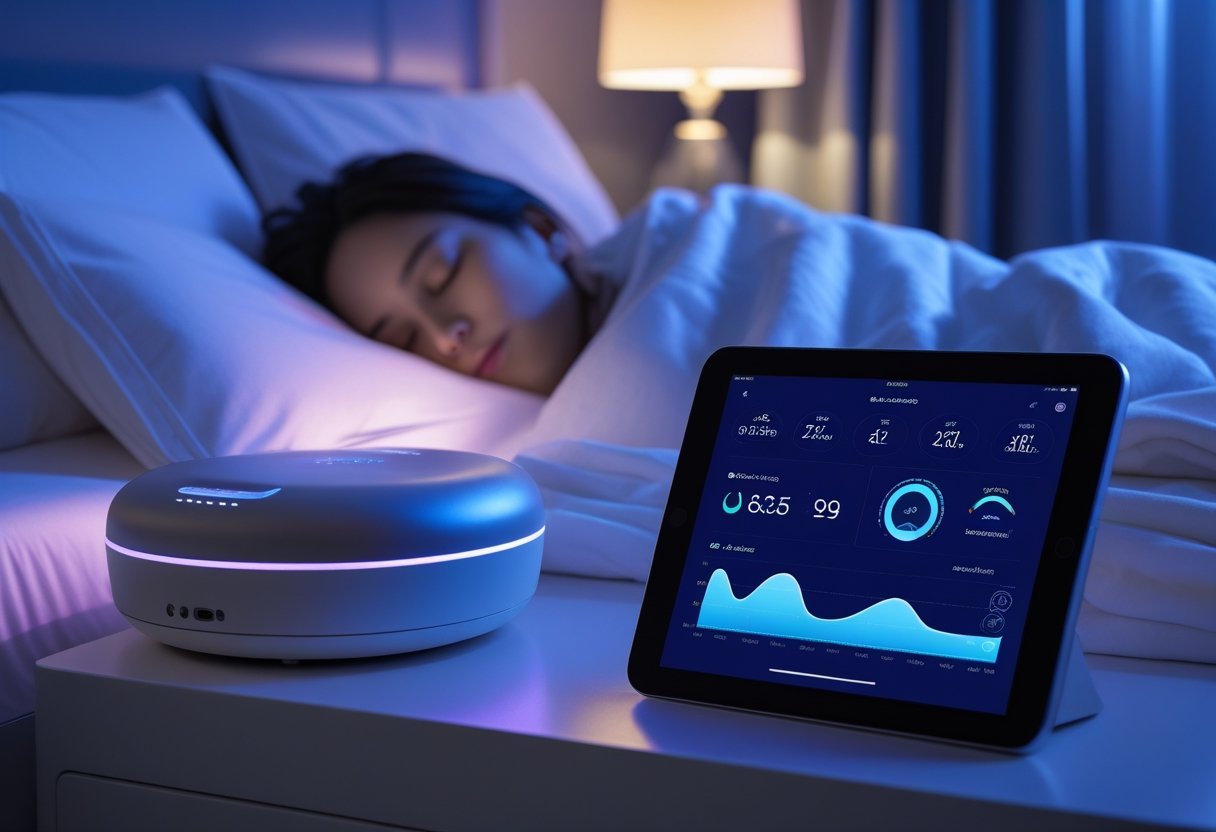
AI sleep systems collect detailed data from wearable devices to create custom sleep profiles. These systems analyze sleep patterns and cycles to generate specific recommendations that improve sleep quality for each individual user.
Data Collection From Sleep Trackers and Wearable Devices
Modern sleep trackers use multiple sensors to gather comprehensive sleep data. Heart rate monitors track pulse variations throughout the night. Motion sensors detect movement and body position changes.
Key Data Points Collected:
- Heart rate variability
- Body temperature fluctuations
- Movement patterns
- Breathing rate
- Environmental factors (room temperature, noise levels)
Wearable devices like smartwatches and fitness bands record this information continuously. The data flows to AI platforms that process millions of data points each night.
Advanced trackers also monitor ambient light exposure. This helps determine how external factors affect sleep quality. Some devices include microphones to detect snoring or sleep disturbances.
The accuracy of consumer wearable tech has improved significantly. Many devices now provide clinical-grade measurements for basic sleep metrics.
Analyzing Sleep Patterns and Sleep Cycles
AI algorithms examine sleep data to identify individual sleep patterns. The systems map out complete sleep cycles including light sleep, deep sleep, and REM stages.
Sleep Cycle Analysis Includes:
- Sleep onset time
- Total sleep duration
- Time spent in each sleep stage
- Number of wake episodes
- Sleep efficiency percentage
Machine learning models compare individual patterns against large databases. This comparison helps identify what constitutes normal sleep for each person.
The AI tracks changes in sleep patterns over weeks and months. It can detect when stress, diet, or lifestyle changes impact sleep quality.
Sleep studies show that personalized analysis is more accurate than generic sleep advice. Individual sleep needs vary greatly between people.
AI-Driven Personalized Recommendations
AI systems generate specific recommendations based on individual sleep data analysis. These suggestions target the exact sleep issues each person faces.
Common Personalized Recommendations:
- Optimal bedtime and wake time
- Pre-sleep routine adjustments
- Environmental changes (temperature, lighting)
- Exercise timing modifications
- Caffeine intake limits
The AI creates a personalized sleep score that tracks improvement over time. Users receive daily insights about their sleep quality and recovery.
Smart algorithms adjust recommendations as sleep patterns change. The system learns what works best for each individual through continuous feedback.
Personalized sleep coaching becomes more precise with longer data collection periods. The AI identifies subtle patterns that humans might miss in their own sleep habits.
Optimizing Sleep Environments with Smart Technology
Smart technology transforms bedrooms into responsive environments that adapt to individual sleep needs through automated temperature control, intelligent lighting systems, and self-adjusting mattresses. These AI-powered systems work together to create optimal conditions for rest and recovery.
AI-Integrated Smart Mattresses and Beds
Smart mattresses use AI algorithms to monitor sleep patterns and automatically adjust firmness levels throughout the night. Companies like Eight Sleep have developed beds with sensors that track body temperature, heart rate, and movement patterns.
These systems learn individual preferences over time. The mattress can soften pressure points when someone sleeps on their side or provide extra lumbar support during back sleeping.
Key features of smart beds include:
- Real-time firmness adjustments
- Dual-zone controls for partners
- Temperature regulation through heating and cooling
- Sleep stage tracking
Users who regularly adjust their mattress firmness tend to report better sleep quality, and the AI learns optimal settings for different sleep stages and body positions over time.
Smart mattresses can also elevate the head or feet to reduce snoring or improve circulation. This automatic adjustment happens without waking the sleeper.
Adaptive Smart Lighting and Climate Control
Smart lighting systems sync with natural circadian rhythms to promote healthy sleep-wake cycles. These systems automatically dim lights and shift to warmer colors in the evening to support melatonin production.
AI-powered lights gradually brighten in the morning with cooler, blue-enriched tones that simulate sunrise. This helps people wake up naturally without jarring alarms.
Temperature control features:
- Predictive heating and cooling
- Individual sleep stage optimization
- Pre-warming during cold hours
- Automatic fan adjustments
Research on older adults found that bedroom temperatures between 68–77°F were associated with the fewest sleep disruptions (Hebrew SeniorLife/Marcus Institute, published in the journal Sleep). For the general population, most sleep researchers — including Stanford’s Dr. Matthew Walker — recommend a cooler range, closer to 65–68°F (18–20°C). AI systems can learn and maintain whichever range works best for the individual sleeper.
One study found AI-powered mattress covers increased deep sleep by 22% for men and REM sleep by 25% for women. The system automatically cooled or warmed the bed based on individual needs.
Smart thermostats can also coordinate with other devices to create the ideal sleep environment before bedtime.
Enhancing Sleep Hygiene Through Automation
Automated systems handle multiple aspects of sleep hygiene without requiring manual adjustments. Smart air purifiers monitor CO2 levels and activate when air quality drops below optimal ranges.
AI-controlled humidifiers maintain 40-50% relative humidity to prevent dry air or excessive moisture. These systems anticipate changes based on weather patterns and room occupancy.
Automated sleep hygiene features:
- Air quality monitoring – CO2, allergens, VOCs
- Noise cancellation – Active sound masking
- Humidity control – Automatic adjustments
- Ventilation management – Fresh air circulation
Sound systems use AI to detect noise disturbances and counter them with white noise or nature sounds. Every 1 dB increase in nighttime noise reduces sleep efficiency by 0.19%.
Smart blackout curtains automatically close at sunset and open gradually in the morning. This helps maintain consistent light exposure patterns that support healthy circadian rhythms.
The technology learns from user feedback and environmental data to continuously improve the sleep environment. These systems work together to create consistent, comfortable conditions throughout the night.
AI-Enabled Sleep Habit Coaching and Routine Support
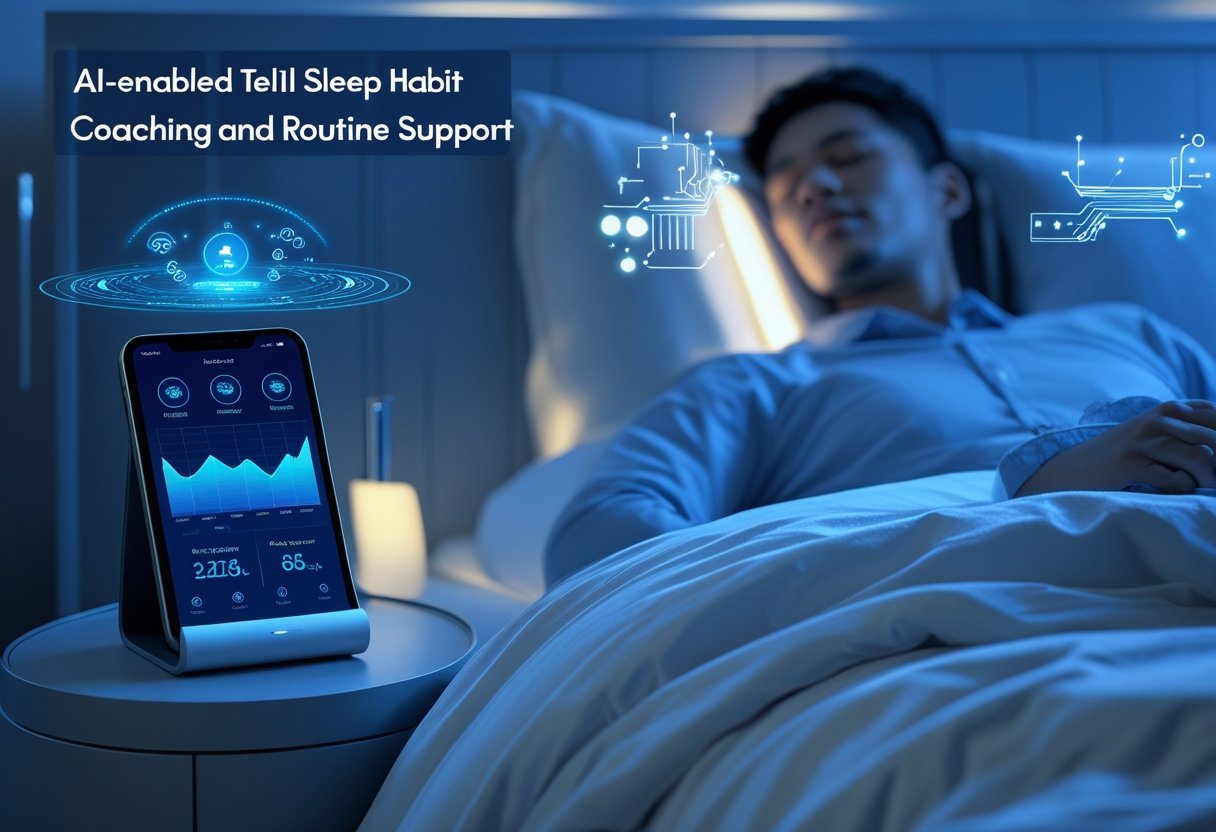
AI-powered sleep coaching platforms analyze individual sleep patterns to create personalized bedtime and morning routines. These systems help users build sustainable sleep habits through real-time feedback and evidence-based recommendations.
Personalized Sleep Coaching Platforms
Modern AI sleep coaching platforms like Sleepi combine health insights with practical optimization strategies. These apps analyze sleep data from wearables and smart devices to create tailored improvement plans.
Key features include:
- Real-time sleep pattern analysis
- Personalized coaching recommendations
- Integration with fitness trackers and smartwatches
- Cognitive behavioral therapy techniques
AI algorithms process heart rate, movement patterns, and sleep cycles to identify disruptions. The platforms then generate specific advice for addressing individual sleep challenges.
Many systems incorporate CBT-I techniques to help users change negative sleep behaviors. This approach has shown significant improvements in sleep quality compared to traditional methods.
Some platforms offer 24/7 support through automated coaching. Users receive guidance on sleep hygiene, stress management, and environmental adjustments based on their unique data patterns.
AI-Guided Bedtime and Morning Routines
AI systems create customized bedtime routines based on individual sleep data and lifestyle factors. These platforms recommend optimal sleep and wake times while suggesting specific pre-sleep activities.
Smart routine features:
- Personalized wind-down activities
- Optimal bedtime calculations
- Morning wake-up optimization
- Environmental control suggestions
The technology analyzes when users naturally feel tired and wake up. It then builds routines around these biological patterns rather than forcing artificial schedules.
AI-guided systems often include relaxation techniques like meditation and breathing exercises. These features help users transition from daily stress to sleep-ready states.
Morning routines focus on gradual awakening through light exposure recommendations. Some platforms integrate with smart home devices to adjust lighting and temperature automatically.
Building Healthy and Sustainable Sleep Habits
AI coaching platforms focus on creating long-term healthy sleep habits rather than quick fixes. These systems track habit formation and provide consistent feedback to maintain progress.
Habit-building strategies include:
- Gradual routine adjustments
- Progress tracking and rewards
- Personalized goal setting
- Adaptive recommendations
The platforms monitor how well users stick to recommended sleep routines. They adjust suggestions based on what works best for each individual’s lifestyle and preferences.
AI systems identify patterns that lead to poor sleep quality. They then suggest specific changes to daily activities, meal timing, and screen use before bedtime.
Sustainable approaches include small, manageable changes that build over time. Users receive encouragement and modified goals when facing challenges with routine adherence.
Many platforms combine multiple data sources to understand the full picture of sleep health. This comprehensive approach helps users develop quality sleep patterns that last long-term.
AI for Sleep Disorder Detection and Management
AI transforms sleep medicine by analyzing vast amounts of sleep data to identify disorders more accurately and efficiently than traditional methods. Smart systems now detect sleep apnea, monitor treatment progress, and provide personalized care recommendations based on individual sleep patterns.
AI in Diagnosing and Monitoring Sleep Disorders
AI systems analyze polysomnography data with accuracy matching human sleep technologists. These algorithms examine brain waves, breathing patterns, and heart rhythms to identify sleep stages and disorders automatically.
Machine learning models process 30-second sleep epochs and full-night recordings simultaneously. This approach captures patterns that human scorers might miss during manual analysis.
Sleep staging accuracy reaches agreement levels of 0.80 on the kappa scale. This matches the reliability between expert human scorers, which typically ranges from 0.68 to 0.76.
AI detects excessive daytime sleepiness by analyzing brain wave changes linked to breathing events. These measurements predict sleepiness better than traditional metrics like the apnea-hypopnea index.
Smart systems identify central sleep disorders without requiring multiple sleep latency tests. Deep learning models analyze overnight sleep studies to confirm conditions like narcolepsy with similar accuracy to traditional testing methods.
Wearable devices use AI to estimate sleep stages from heart rate and movement data. Consumer sleep technology achieves kappa values of 0.55 for sleep-wake detection and 0.42 for sleep stage prediction.
Managing Sleep Apnea With AI and Smart Devices
AI-powered devices optimize positive airway pressure therapy for sleep apnea patients. Smart CPAP machines automatically adjust pressure settings based on real-time breathing patterns and sleep position changes.
Treatment compliance monitoring uses machine learning to analyze usage data and identify barriers to therapy adherence. These systems send personalized recommendations to improve mask fit and comfort settings.
Smart devices detect respiratory events with correlation coefficients of 0.85 compared to expert scoring. Automated systems count apneas and hypopneas while tracking oxygen levels throughout the night.
Home sleep testing becomes more accessible through AI-enhanced portable monitors. These devices analyze pulse oximetry and movement signals to screen for sleep apnea without requiring overnight lab visits.
Mobile apps track symptom severity and correlate sleep quality with daytime fatigue levels. Patients receive personalized insights about their condition and treatment effectiveness through data analysis.
Predictive algorithms identify patients at risk for treatment failure or complications. Early intervention strategies improve long-term outcomes and reduce healthcare costs.
Clinical Applications and Future Research
Sleep medicine clinics integrate AI tools to streamline diagnosis and reduce scoring time. Automated systems process sleep studies faster while maintaining accuracy standards required for clinical decision-making.
Healthcare providers use AI to develop personalized treatment plans based on individual sleep patterns and medical history. These systems consider factors like age, weight, and comorbid conditions when recommending therapies.
Mental health connections emerge through AI analysis of sleep and mood data. Systems identify correlations between sleep disorders and conditions like depression or anxiety to guide comprehensive treatment approaches.
Research focuses on expanding AI capabilities to detect multiple sleep disorders simultaneously. Future models will identify restless leg syndrome, periodic limb movements, and parasomnias from single overnight recordings.
Population health applications use aggregated sleep data to identify trends and risk factors. Large-scale analysis helps researchers understand how sleep disorders affect different demographic groups and geographic regions.
Clinical trials test closed-loop systems that automatically adjust treatments based on real-time physiological feedback. These devices promise more effective therapies with fewer side effects for various sleep disorders.
Challenges and Considerations in AI Sleep Optimization
AI sleep optimization brings significant benefits but also creates important challenges around data protection, technical limitations, and the need to balance digital tools with proven sleep methods. Users must understand these considerations to make informed decisions about incorporating AI into their sleep routines.
Addressing Privacy Concerns and Data Security
AI sleep systems collect vast amounts of personal health data. This includes sleep patterns, heart rate, breathing, and bedroom environments. Companies store this sensitive information on their servers.
Data Collection Risks:
- Sleep tracking devices monitor users 24/7
- Personal health information gets shared with third parties
- Location data reveals when people are home or away
- Audio recordings may capture private conversations
Many devices use proprietary algorithms that users cannot examine. This makes it hard to know how personal data gets processed or shared.
HIPAA compliance becomes complex with consumer sleep devices. These products often fall outside traditional medical privacy protections. Users should read privacy policies carefully before purchasing sleep optimization tools.
Protection Strategies:
- Choose devices with strong encryption
- Limit data sharing permissions
- Review privacy settings regularly
- Delete old data when possible
Limitations of AI in Sleep Solutions
AI sleep technology has several technical weaknesses that affect accuracy and usefulness. Training datasets often lack diversity, leading to biased results for certain populations.
Consumer sleep devices provide less accurate data than medical-grade equipment. Wearables may miss sleep disorders or give false readings. The algorithms cannot replace professional medical evaluation.
Common AI Limitations:
- Difficulty detecting complex sleep disorders
- Poor performance in diverse populations
- Inability to consider individual medical history
- Over-reliance on limited sensor data
AI systems struggle with context that humans understand easily. They cannot account for stress, medication changes, or life events that affect sleep quality.
False positives create unnecessary anxiety for users. False negatives may delay proper medical treatment. Expert interpretation remains essential for complex sleep issues.
Balancing Technology With Traditional Sleep Practices
Sleep hygiene basics remain more important than any AI system. Good sleep habits include consistent bedtimes, cool rooms, and avoiding screens before bed.
Technology should support these fundamentals, not replace them. Many people become too focused on sleep data instead of simple improvements like better mattresses or darker rooms.
Traditional Methods That Work:
- Regular sleep schedules
- Comfortable sleep environment
- Stress management techniques
- Physical exercise during the day
AI tools work best when combined with proven sleep practices. Users should not ignore basic sleep hygiene while chasing perfect data scores.
Some people develop anxiety from constantly monitoring their sleep metrics. This defeats the purpose of optimization. Finding the right balance requires using technology as a helpful tool rather than an obsession.
Healthcare providers should guide patients on when AI sleep tools help versus when traditional approaches work better. Professional medical advice remains crucial for serious sleep problems.
Sound frequency therapy: AI-adjacent but worth knowing
While not AI in the technical sense, frequency therapy platforms like SpryFuel use algorithmically curated sound programmes — binaural beats and brainwave entrainment — that work alongside sleep tracking technology. If you use a wearable to identify that your sleep onset is slow or that you are not reaching deep sleep, a frequency therapy programme timed to your wind-down window is a natural complement. The 7-day free trial makes it low risk to test. (Affiliate link — disclosure)
Frequently asked questions
💤 Ready to improve your sleep tonight?
The Perfect Bedtime Routine — the 7-step routine that works alongside any sleep technology.
Best Magnesium for Sleep — the most evidence-backed supplement for better sleep quality.
Written by the Easy Healthy Time Editorial Team
Health & Wellness Writers — Easy Healthy Time
At EHT, we research and write evidence-based health content for women 35+. Learn more about us →
Affiliate disclosure: This article contains affiliate links. We may earn a commission on purchases at no extra cost to you. Full disclosure.